



Agent Runtimes is a unified library for deploying, managing, and interacting with AI agents across multiple protocols and frameworks. It provides both a Python server for hosting agents and React components for seamless integration into web and desktop applications.
Agent Runtimes solves the complexity of deploying AI agents by providing:
-
Protocol Abstraction: One agent, multiple protocols - deploy your agent once and access it through ACP, Vercel AI SDK, AG-UI, MCP-UI, or A2A without changing your code.
-
Framework Flexibility: Write agents using your preferred framework (Pydantic AI, LangChain, Jupyter AI) while maintaining a consistent API.
-
Cloud Runtime Management: Built-in integration with Datalayer Cloud Runtimes for launching and managing compute resources with Zustand-based state management.
-
UI Components: Pre-built React components (ChatBase, ChatSidebar, ChatFloating) that connect to agents and execute tools directly in the browser.
-
Tool Ecosystem: Seamless integration with MCP (Model Context Protocol) tools, custom tools, and built-in utilities for Jupyter notebooks and Lexical documents.
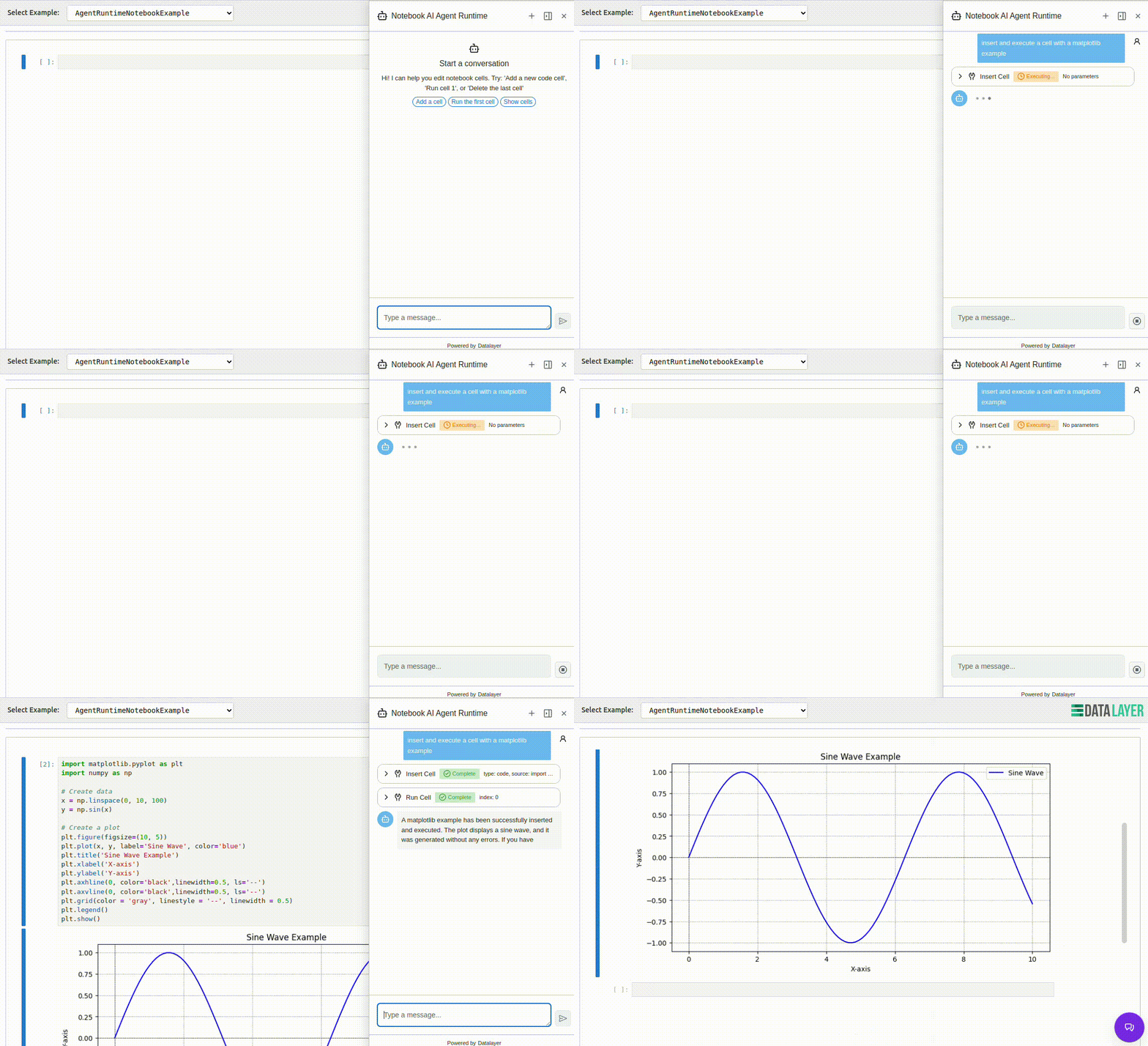
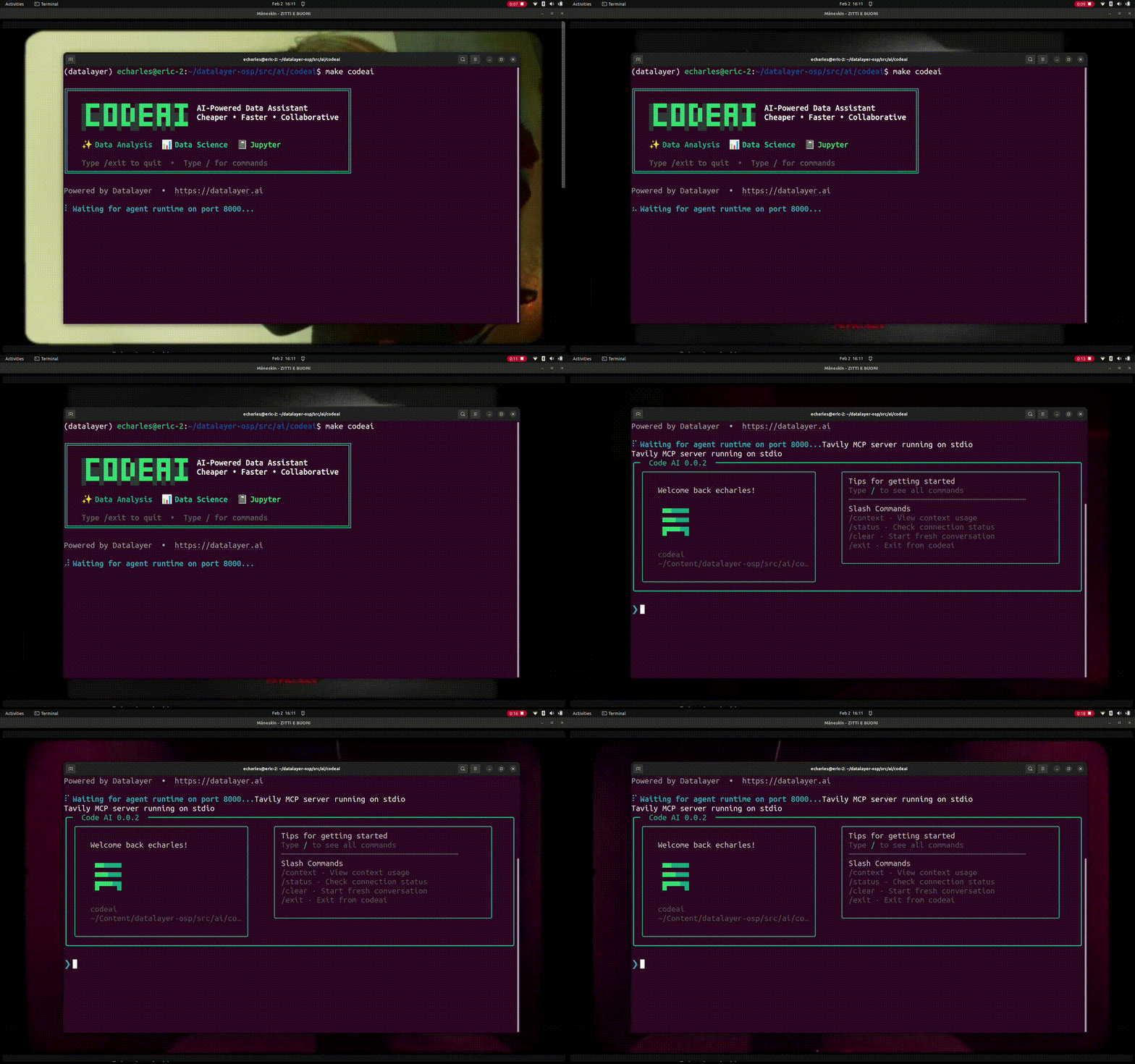
- ACP (Agent Client Protocol): WebSocket-based standard protocol
- Vercel AI SDK: Compatible with Vercel's AI SDK for React/Next.js
- AG-UI: Lightweight web interface (Pydantic AI native)
- MCP-UI: Interactive UI resources protocol with React/Web Components
- A2A: Agent-to-agent communication
- Pydantic AI: Type-safe agents (fully implemented)
- LangChain: Complex workflows (adapter ready)
- Jupyter AI: Notebook integration (adapter ready)
- 🔌 Flexible Architecture: Easy to add new agents and protocols
- 🛠️ Tool Support: MCP, custom tools, built-in utilities
- 📊 Observability: OpenTelemetry integration
- 💾 Persistence: DBOS support for durable execution
- 🔒 Context Optimization: LLM context management
The detailed guides for architecture, use cases, interactive chat, key concepts, and runtime configuration are now in Docusaurus docs: